
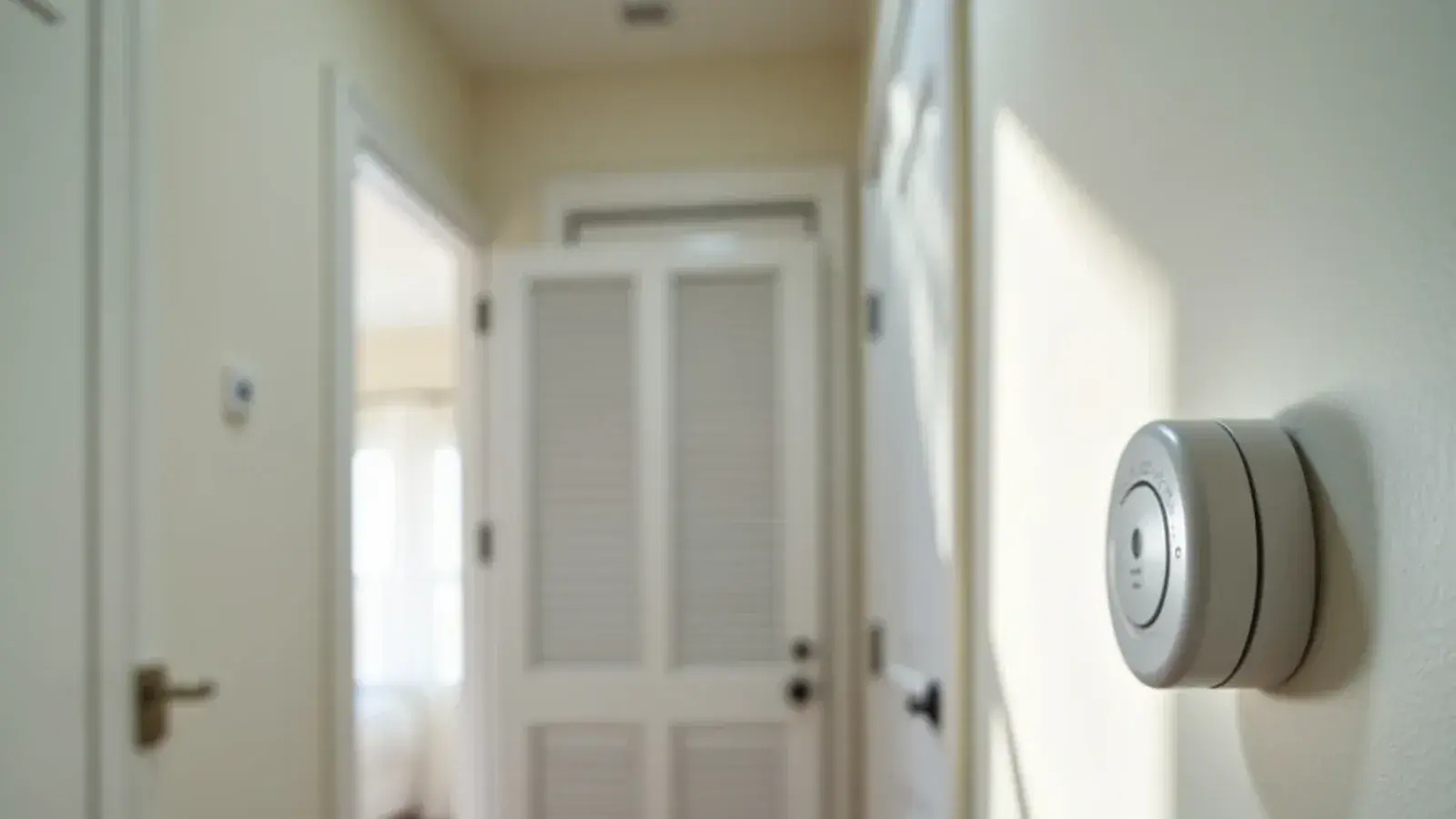
An HVAC emergency is any heating or cooling problem that endangers someone's safety, threatens serious damage to the house, or leaves a vulnerable person in dangerous heat or cold. Gas smells, CO alarms, burning odors, water through a ceiling and no heat or AC with infants or seniors at home qualify. Most other failures can wait for daylight.
What is considered an HVAC emergency also depends on who is home and what the weather is doing, so the same failed part can be a midnight call in one house and a morning appointment in the next. That distinction matters for your safety, and also for your wallet, because after-hours service costs more to provide than a scheduled daytime visit.
Below is how we'd sort the calls, from "leave the house now" to "book the next opening."
Danger signs that come first
These are life-safety situations. In some of them, your first call isn't to an HVAC contractor at all.
Gas or rotten-egg smell
Suppliers add a sulfur-like odorant to natural gas and propane so a leak announces itself. If you catch that smell near the furnace, water heater or anywhere in the house, get everyone outside. Don't operate switches, the thermostat or a phone inside. From outside, call the gas utility's emergency line or 911.
Carbon monoxide alarm
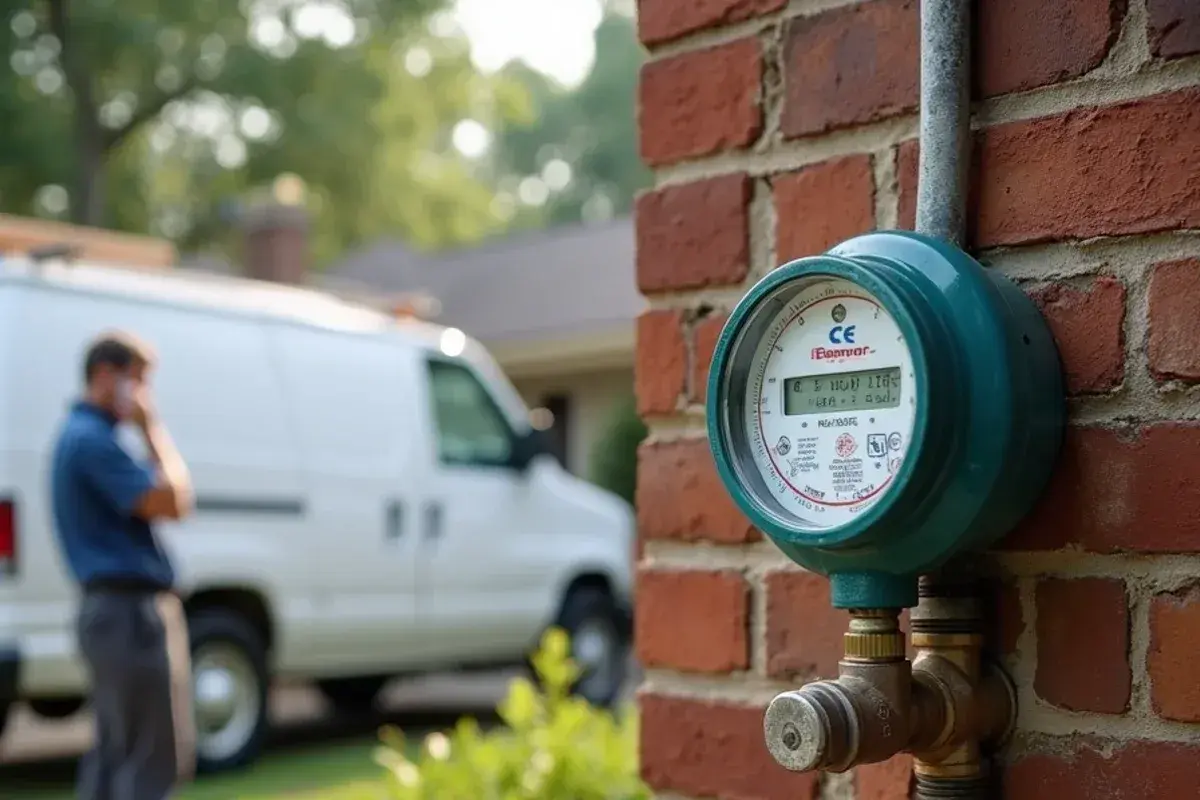
Carbon monoxide has no smell. If an alarm sounds, or people in the home feel headachy, dizzy or queasy and improve once they're out in fresh air, get out and call 911. A cracked heat exchanger, blocked flue or backdrafting appliance can be the source, and the system shouldn't run again until it's been inspected.
Burning, electrical or smoky smell
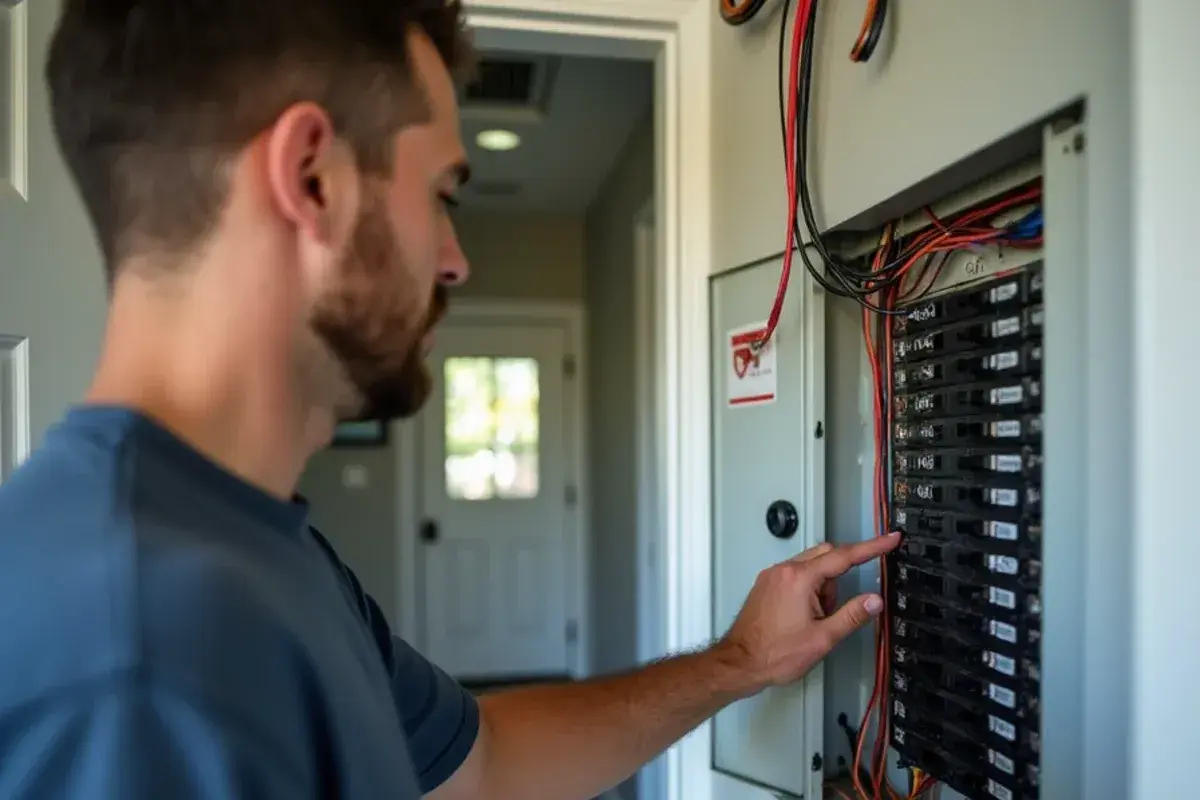
A light dusty smell the first time the heat runs each fall is normal and fades fast. A sharp burning-plastic or hot-wire smell is not. Switch the system off at the breaker. If you see smoke or flames, leave and call 911.
When the temperature itself is the emergency
A broken AC in a healthy household is uncomfortable. The same failure with a newborn, an elderly parent, a pregnant family member, or someone with heart, lung or kidney conditions is a health risk. Midlands summers bring highs in the 90s with heavy humidity, and an upstairs bedroom can climb fast once cooling stops.
Winter works the same way in reverse. Overnight lows in the 20s are rare enough here that many homes aren't built to hold heat for long without a running system. When that happens with a baby, an older relative or someone ill in the house, no-heat repair is a tonight call, not a tomorrow one.
Someone who becomes confused, faints, or has hot red skin with a pounding pulse may have heat stroke. That's a 911 call, made before any call about the equipment.
When the house is at risk
Some problems threaten the structure more than the people inside:
- Water pouring or dripping through a ceiling from an attic air handler.
- An outdoor unit or crawlspace equipment sitting in floodwater.
- Pipes at risk of freezing because the heat is out during a hard freeze.
- A breaker that trips repeatedly on the HVAC circuit.
Turn the system off, limit the damage, and call. Waiting until morning on a ceiling leak can mean replacing drywall and insulation instead of clearing a drain.
Emergency, urgent or next-day? A quick triage table
| Situation | Category | What to do |
|---|---|---|
| Gas smell or CO alarm | Life safety | Leave, call utility or 911 from outside |
| Smoke, sparks or burning wire smell | Life safety | Breaker off; 911 if smoke or fire |
| No heat, freezing night, vulnerable people home | Emergency | Call the 24/7 line now |
| No AC, extreme heat, infant or senior at home | Emergency | Call now; keep them cool meanwhile |
| Water coming through ceiling | Emergency | AC off, contain water, call now |
| Breaker trips repeatedly | Urgent | Leave it off, call tonight or first thing |
| No AC, healthy household, mild evening | Next day | Close blinds, use fans, book first opening |
| Noisy but running, normal temperatures | Next day | Schedule a repair visit |
| Weak airflow or uneven rooms | Routine | Book a standard appointment |
Is no AC an emergency?
Sometimes. Ask three questions. Is anyone in the house at higher risk from heat? Is the indoor temperature climbing past a level you can manage with fans, shade and cool showers? Is the forecast staying hot through the night? Two yeses usually justify an after-hours call. If the answers are no, a next-morning appointment for HVAC repair is the sensible choice, and on many days it can happen that same afternoon.
What shapes the cost of an after-hours visit
We don't post prices here, because the bill depends on the specific job. These are the factors that move it:
- Time of call: nights, weekends and holidays cost more to staff than weekday daytime hours.
- Diagnosis complexity: a tripped float switch is quick; an intermittent electrical fault takes longer.
- Parts on hand: common capacitors and contactors ride on the truck; a specific blower motor or control board may need a supplier visit when one opens.
- Temporary versus permanent fix: sometimes the right move at 2 a.m. is making the home safe and comfortable, then finishing the repair in daylight.
- Access: a cramped attic or flooded crawlspace adds time.
A good technician explains these trade-offs before starting work and lets you choose. Ask for a clear description of what's being done and what it will cost before you approve it.
How a late-night call gets sorted before anyone gets in the truck
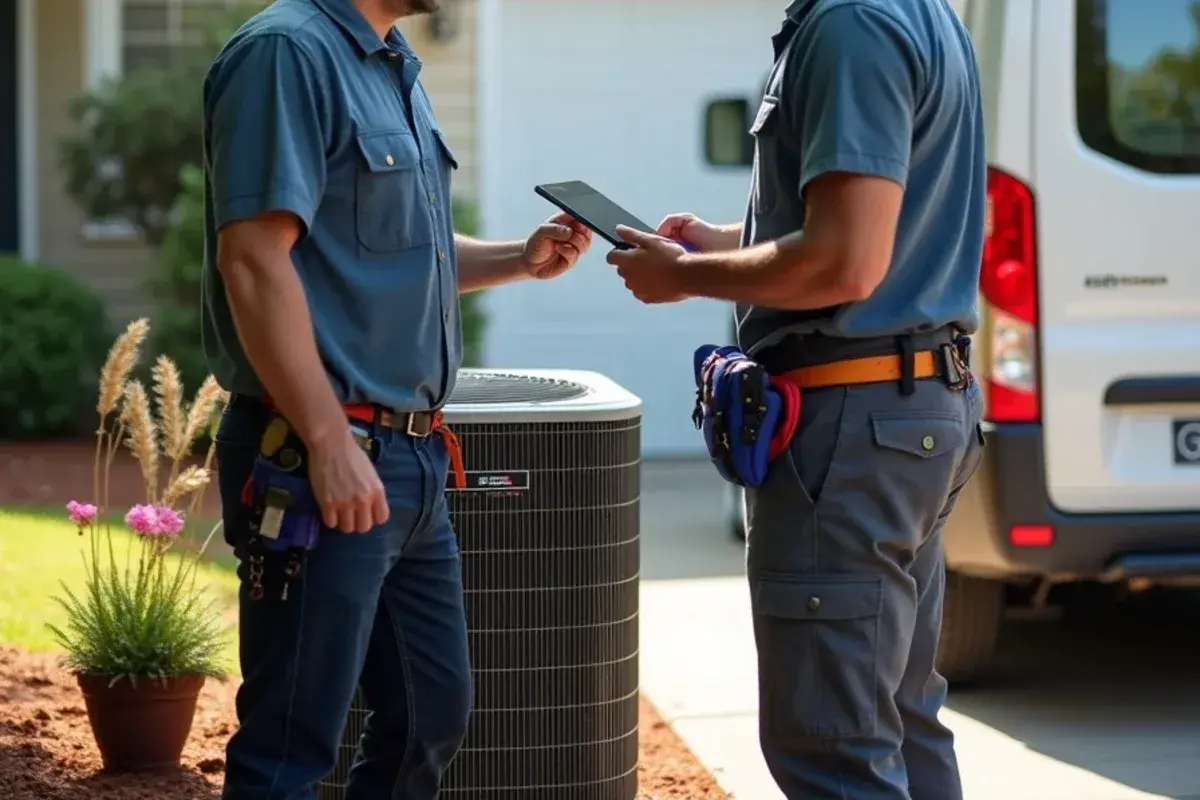
Every after-hours call starts as a conversation, and the questions are the same each time:
- Is anyone in danger right now? Gas, smoke or a CO alarm means the call ends with us telling you to get out and phone 911 or the utility. No HVAC visit is the right first step there.
- Who is in the house? Infants, older adults, pregnancy, and heart or lung conditions move a no-cool or no-heat call up the list.
- What is the system doing? Silent, humming, tripping the breaker, running with warm air, or leaking. Each one points to a different cause and a different part.
- What have you already tried? Thermostat, breaker, filter, the switch by the furnace. If a reset or a fresh filter fixes it, you just saved the cost of a night visit.
- How fast is it getting worse? A house holding 79°F at midnight is different from one that hit 88°F by dinner.
The honest part of that call is sometimes telling you it can wait. A healthy household with a slow-cooling system on a mild night is usually better served by the first morning opening at daytime rates. The reverse is true too: a ceiling leak at 9 p.m. is cheaper to stop tonight than to dry out next week.
A night visit also has real limits. Supply houses are closed, so the goal may be making the home safe, getting partial heat or cooling going, and finishing with the right part in the morning. And a furnace that set off a CO alarm stays off until its heat exchanger and venting have been checked, even if it would still fire. You hear all of that before any work is approved.
Where emergency calls cluster in the area
Our emergency HVAC service answers 24/7 across Lexington County and into Richland County. Low streets in Cayce near the Congaree were among the places hit by the 2015 flood, so storm season there often brings questions about outdoor units that sat in water. In Columbia, older homes in neighborhoods like Shandon and Elmwood Park may run aging gas furnaces in tight closets or basements, where a smell or a CO alarm should never be ignored.
A simple rule for the middle of the night
If it involves gas, carbon monoxide, smoke or a person in danger from heat or cold, act now and call the right number. If water is damaging the house, stop the source and call. If it's an inconvenience in a healthy home, make the house as comfortable as you can and book the first daytime opening. Keep this page bookmarked, test your CO alarms twice a year, and know where your breaker panel is before you ever need it.
Still not sure which column your problem falls in? Call (213) 423-7827 and describe it. Emergency calls are answered 24/7, and you will get a straight answer on whether it needs someone tonight or can wait for a daytime visit.