

Water dripping from the ceiling under an AC almost always means the condensate drain is blocked or the overflow pan has failed, not a refrigerant leak. Switch cooling off at the thermostat, catch the water, keep people away from any sagging drywall, then have the drain, pans and float switch traced.
An AC leaking water from the ceiling is almost always a drainage problem, not a refrigerant leak. Your air conditioner pulls moisture out of indoor air as it cools, and on a muggy South Carolina day that adds up to a steady trickle. The water drips off the indoor coil into a pan, then runs out through a PVC pipe called the condensate drain. When anything in that path clogs, cracks or disconnects, the water finds the ceiling.
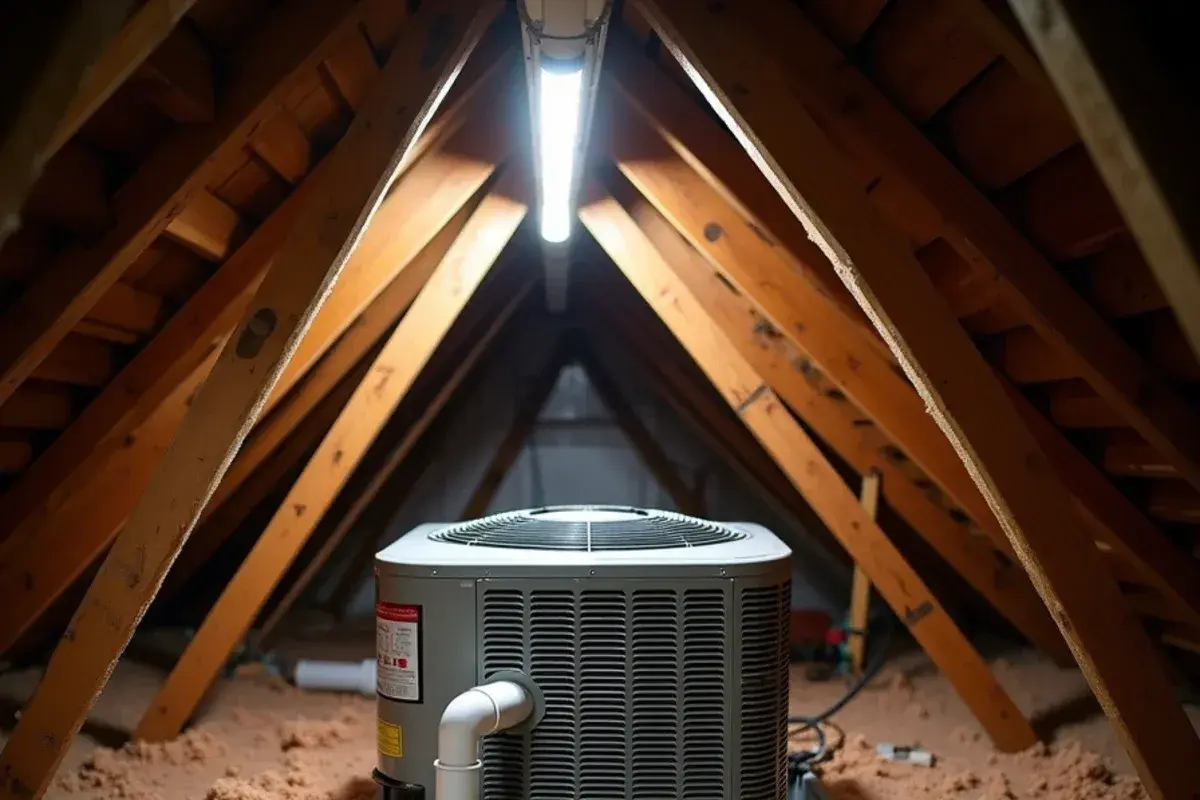
Attic air handlers, common in post-2000 two-story homes across the Midlands, put that whole system directly above your drywall. That's why speed matters.
Stop the damage in the next ten minutes
- Turn the thermostat to Off. Not just higher. Off stops new water from forming.
- Cut power near the leak when the drip is close to a ceiling light, fan or receptacle. Kill that circuit at the panel.
- Catch the drip. Bucket, towels, plastic sheeting over furniture and electronics.
- Watch for a sagging ceiling. A bulge holding water can let go suddenly. Keep people and pets clear of it, and with the light circuit off, a small hole at the lowest point drains it into a bucket in a controlled way.
- Photograph everything before cleanup: the ceiling, the pan in the attic if it's safe to reach, and any wet insulation.
If you can get into the attic safely, shine a light into the pan beneath the air handler. Standing water there tells you the primary drain is blocked.
Drying out once the drip stops
Wet insulation in the attic holds water against the drywall for days, so soaked batts or blown insulation around the leak usually need to come out. The EPA's guidance on mold and moisture advises drying water-damaged materials within 24 to 48 hours to keep mold from taking hold. Run fans and a dehumidifier in the room below, and if the drywall sagged or stays soft after drying, plan on cutting out and replacing that section rather than painting over the stain.
Where AC leak water comes from
The table below lines up common causes with the clue you can usually spot and how a technician addresses it.
| Cause | Typical clue | Usual fix |
|---|---|---|
| Clogged primary drain line | Water in the secondary pan, drip at the drain outlet stops | Flush the line; fit a cleanout tee if there isn't one |
| Rusted or cracked secondary pan | Stain directly under the air handler even with a clear drain | Replace the pan |
| Missing or failed float switch | Pan overflowed and the system kept running | Install or replace the switch |
| Disconnected or sagging PVC | Wet spot along the pipe route, not under the unit | Reconnect, re-glue and support the pipe |
| Frozen indoor coil thawing | Leak appears after the AC was off for a while | Fix the airflow or refrigerant problem behind the ice |
| Failed condensate pump | Pump box full, motor silent | Replace the pump |
| Sweating attic ducts or boots | Drip at ceiling registers away from the unit | Re-insulate, seal and secure ducts |
Why drains clog in humid South Carolina
A long, humid cooling season means the drain carries water for most of the year. That damp, dark pipe is ideal for a slimy bacterial growth that builds into a plug. Dust that slips past a loose filter adds to it. Spring pine pollen gets drawn in too. Once a plug forms, the water backs up into the primary pan, then over the edge.
There's a second problem specific to attics. Summer attic temperatures soar, while the supply ducts carry chilled air. Where insulation has slipped off a duct or a boot isn't sealed to the drywall, humid attic air hits cold metal and condenses. That water drips onto the ceiling and gets blamed on the drain.

What the backup protection should look like
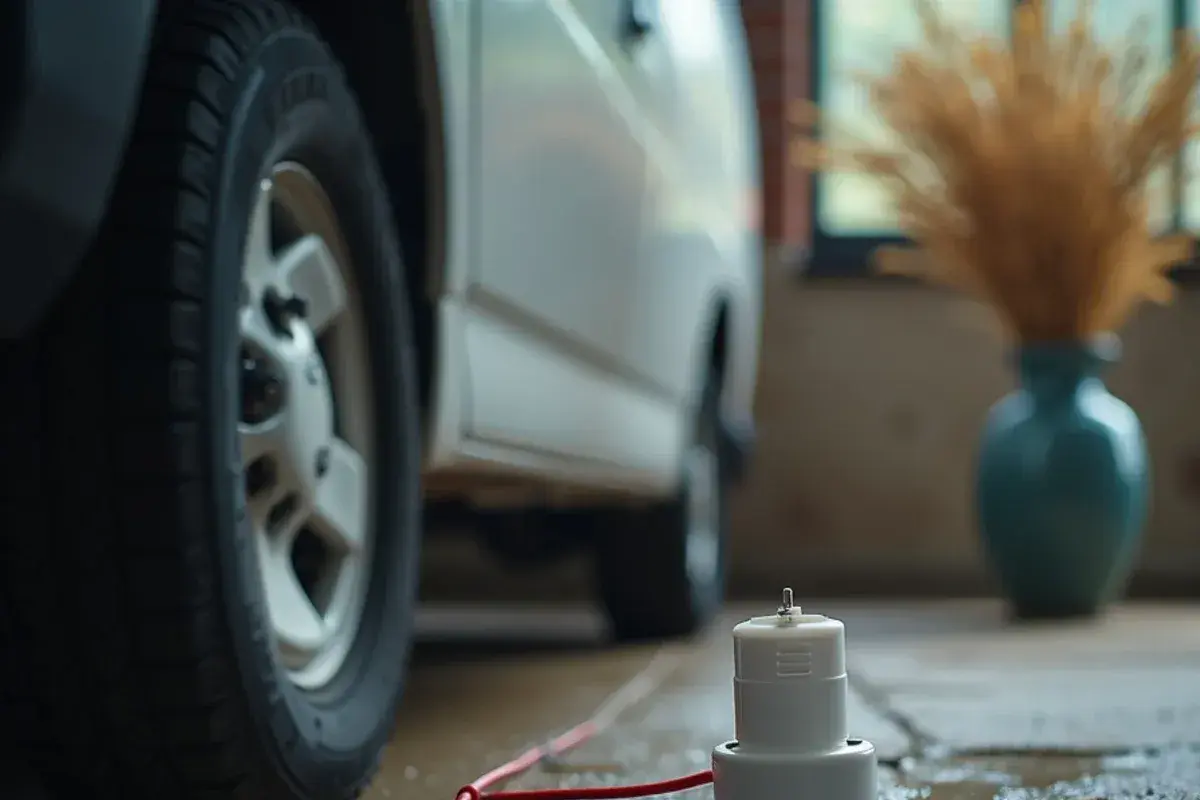
Building codes generally expect an attic or above-ceiling air handler to have a secondary layer of protection: a separate pan with its own drain, or a float switch that kills the cooling call once the water level climbs. Many homes have the pan but no switch, or a switch that was clipped on years ago and has since stuck.
The model International Residential Code spells this out in section M1411.3.1, which lists acceptable setups: a separate overflow line discharging where someone will notice it, an auxiliary pan with its own drain, or an approved water-level detection device that shuts the equipment off. Your town or county building department enforces the edition South Carolina has adopted, so a replacement air handler should leave with one of those in place.
Ideally you have both. The pan buys time; the switch stops the water at the source. A shut-off AC on a hot afternoon is annoying, but it's far cheaper than replacing drywall and insulation.
What a technician checks on a leak call
On an AC water leak repair visit, the technician traces the water rather than guessing:
- Clears the primary drain and confirms it flows freely to its outlet outside or into a plumbing connection.
- Inspects both pans for rust holes and cracks.
- Tests the float switch by lifting it to see whether the system shuts down.
- Checks the pipe slope and joints along the full drain route.
- Looks at the coil for ice and asks why it froze, since ice points to a low-airflow or refrigerant issue.
- Checks nearby ducts and boots for sweating.
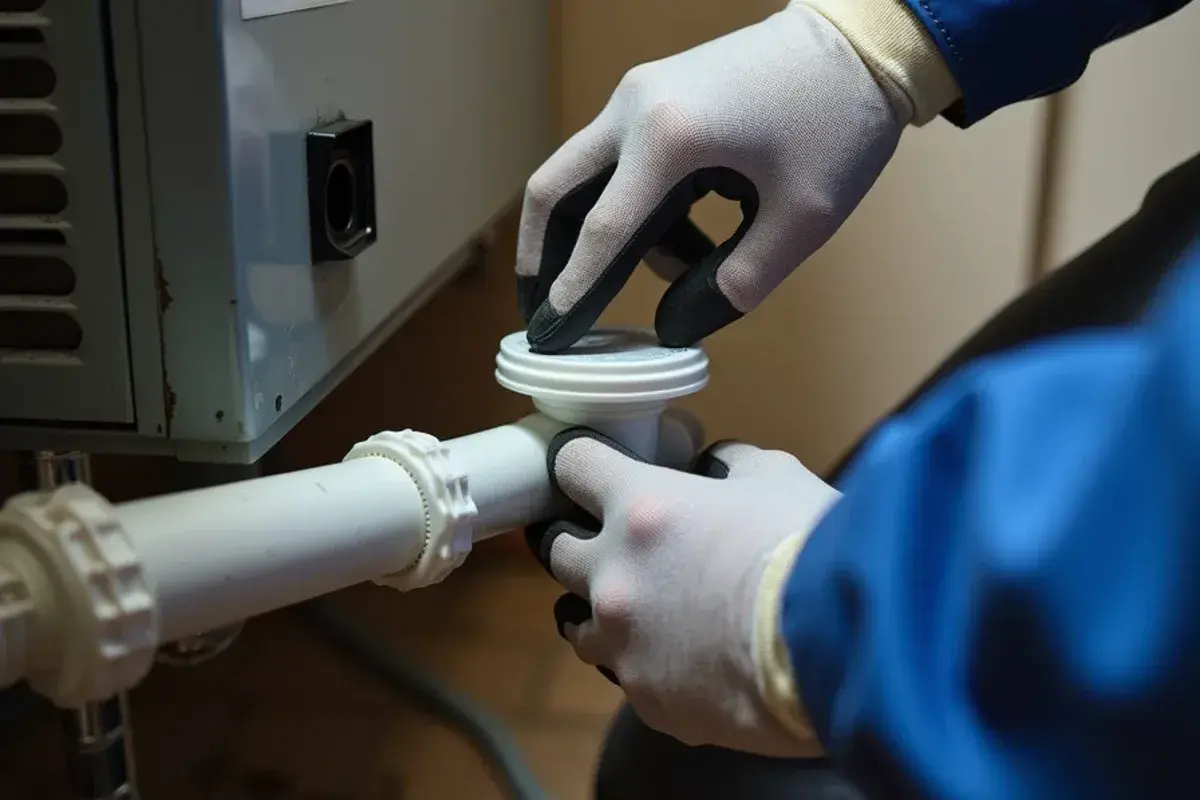
When the drain is clear but the coil is dirty, the blower wheel is caked, or the cabinet panels leak air, the next step is fuller air handler service so the indoor unit drains and moves air the way it was designed to.
Leak calls from the attic side: what we find and which fixes are worth it
Most leak calls turn out to be a slime plug in the primary line, and clearing it takes minutes. The more useful part of the visit is working out why the water got past the backups, because a clogged drain should never reach a ceiling.
- Two air handlers on one drain. Homes with an upstairs and a downstairs system sometimes have both lines teed into a single run. One plug then backs up both units, and the attic pan is the one that spills. An untrapped line on a blower that pulls air through the coil causes a similar surprise: water sits in the pan even though the pipe is open.
- A float switch in the wrong spot. A switch clipped high on the secondary pan, or one wired so it doesn't break the cooling call, gives a false sense of security. We lift it by hand and watch the condenser shut down.
- A rusted secondary pan. Steel pans in hot attics corrode from the inside. Replacing one can mean lifting or disconnecting the air handler, which is real labor, so on an older system you deserve to hear that trade-off before you choose between a pan swap and planning a replacement.
- Cleaning chemicals that attack the pipe. Harsh drain cleaners can soften PVC glue joints. Flushing with water or a vacuum on the outdoor end does the job without that risk.
Where the drain has no slope to work with, a condensate pump moves the water instead. Pumps work well but add a part that can fail, so they should always be wired to a safety switch of their own.
Homes where leaks show up most
Newer subdivisions in Red Bank are full of homes with attic equipment that has been running for a decade or more, long enough for original pans to rust and float switches to stick. Large two-story houses and lake homes around Chapin often carry two or more systems, one of them high in the attic, where nobody looks until a stain appears. Across Lexington County the pattern is the same: the leak starts quietly in summer and gets noticed only when it reaches the drywall.
Keeping the drain clear from here on
Change the filter on schedule, especially during pollen season. Ask your technician whether a periodic flush of the drain line suits your setup, and have the drain, pans and float switch checked during each spring cooling tune-up. If you have an attic unit, peek at the secondary pan a few times each summer with a flashlight. Dry is good. Any water at all means the primary drain needs attention now, before the ceiling tells you.
If water is already coming through, shut the cooling off and call (213) 423-7827. Leak calls are answered around the clock, and having photos of the stain and the attic pan ready makes the visit quicker and keeps your records in order for any insurance question later.