
Most indoor air quality calls in Lexington start with a complaint, not a product. Yellow dust is back on the furniture two days after cleaning. A musty smell rolls out when the AC kicks on. A back bedroom feels damp, or allergies are worse inside than on the porch. Good indoor air quality work in Lexington, SC begins by sorting out which of those problems you have, because the fix for pollen is not the fix for humidity, and neither one fixes stale air.
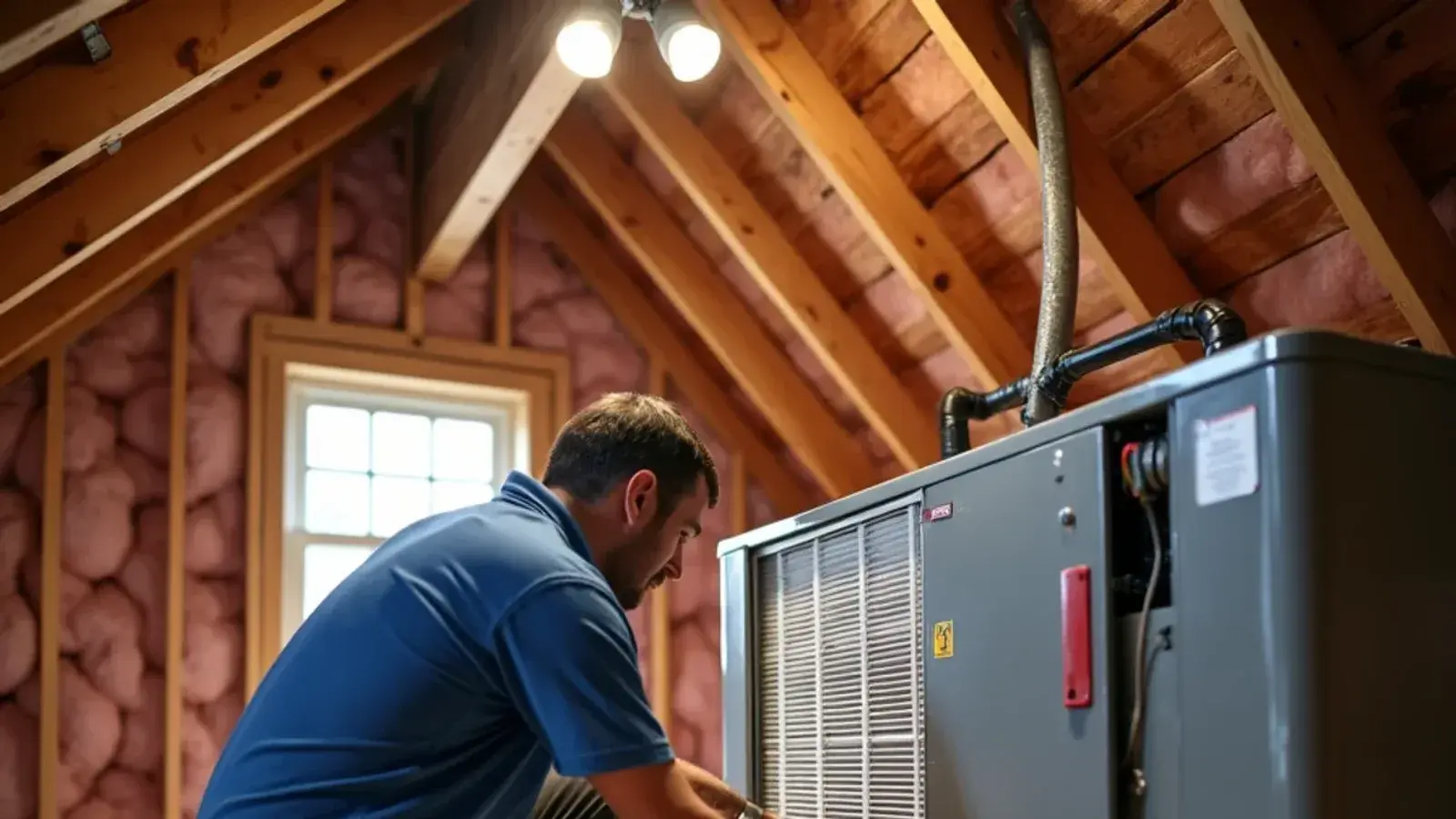
We start with the heating and cooling system you already own. Your air handler pulls the whole house's air through one filter slot several times an hour, which makes it the most practical place to clean, dry and freshen that air without a plug-in gadget in every room.
Which air problem is your home dealing with?
Match what you notice to the most likely cause. It is a starting point, not a diagnosis, but it keeps the conversation on your real complaint.
| What you notice | Likely cause | Where we usually start |
|---|---|---|
| Yellow-green film on surfaces in March and April | Pine pollen slipping past a thin filter or through leaky returns | Better filtration and a sealed return |
| Musty odor when the system starts | Damp coil, standing water in the drain pan, growth on the coil | Coil and drain inspection, possibly a UV lamp |
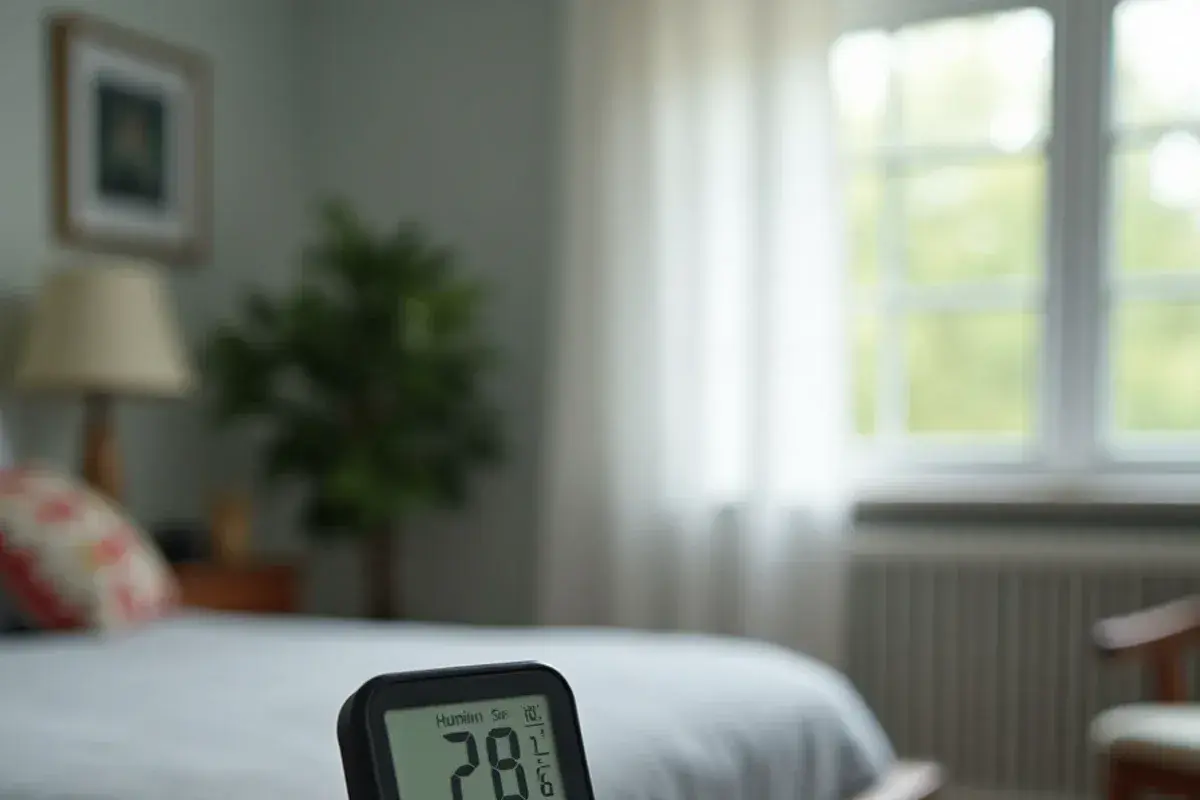
| Clammy rooms, sweating windows or vents | Humidity above 60 percent, oversized AC, air leaks | Humidity readings, then dehumidification |
| Stuffy air and lingering cooking smells in a newer home | Too little fresh-air exchange | Mechanical ventilation or an ERV |
| Dust that returns within days | Return leaks pulling attic or crawlspace air, low-grade filter | Duct check and filter upgrade |
Air quality services matched to Midlands homes
Each of these solves a different problem. Most homes need one or two, not all of them. An IAQ project from us can include:
- A room-by-room humidity and static pressure assessment.
- Media filter cabinets, UV lamps for the coil and better returns.
- Ducted whole-home dehumidifiers with their own drain and controls.
- Fresh-air ventilation or an ERV, balanced to the house.
- Duct sealing and coil or drain cleaning where they are the root cause.
Whole-home air purifiers and filtration
A deep pleated media cabinet on the return, sometimes paired with a UV lamp aimed at the indoor coil, handles pollen, dust and pet dander for the whole house. Read more about whole-home air purifiers and UV lights, including how filter rating affects airflow.

Whole-home dehumidifiers
When the AC cools the house but leaves it clammy, a dedicated dehumidifier tied into the ductwork pulls moisture on its own schedule. Our page on whole-home dehumidifiers covers crawlspace and lake-house setups.
Fresh-air ventilation and ERVs
Tight newer houses can trap odors and moisture from cooking and showers. An energy recovery ventilator trades stale indoor air for filtered outdoor air while limiting how much heat comes along. See ventilation and ERV installation for how that works in a humid climate.
Duct repair and sealing
Sometimes the "air quality" problem is a return duct with a gap pulling insulation dust from the attic. Duct sealing closes those leaks so the filter sees all of the air.
How do we test your air before recommending anything?
An IAQ visit is a look at the house and the system together. Expect us to:
- Take temperature and humidity readings in several rooms and at a supply register.
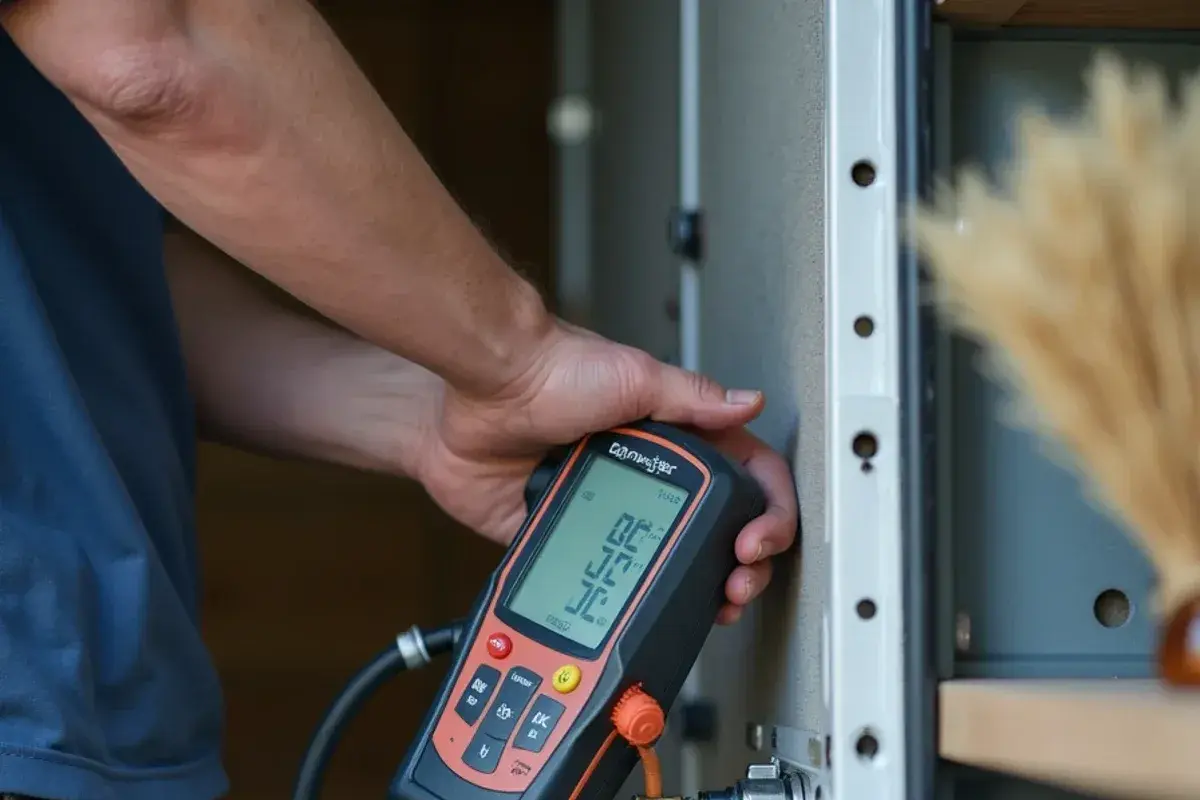
- Measure static pressure, the resistance your blower pushes against, across the filter and coil. This tells us how much filtration the system can handle.
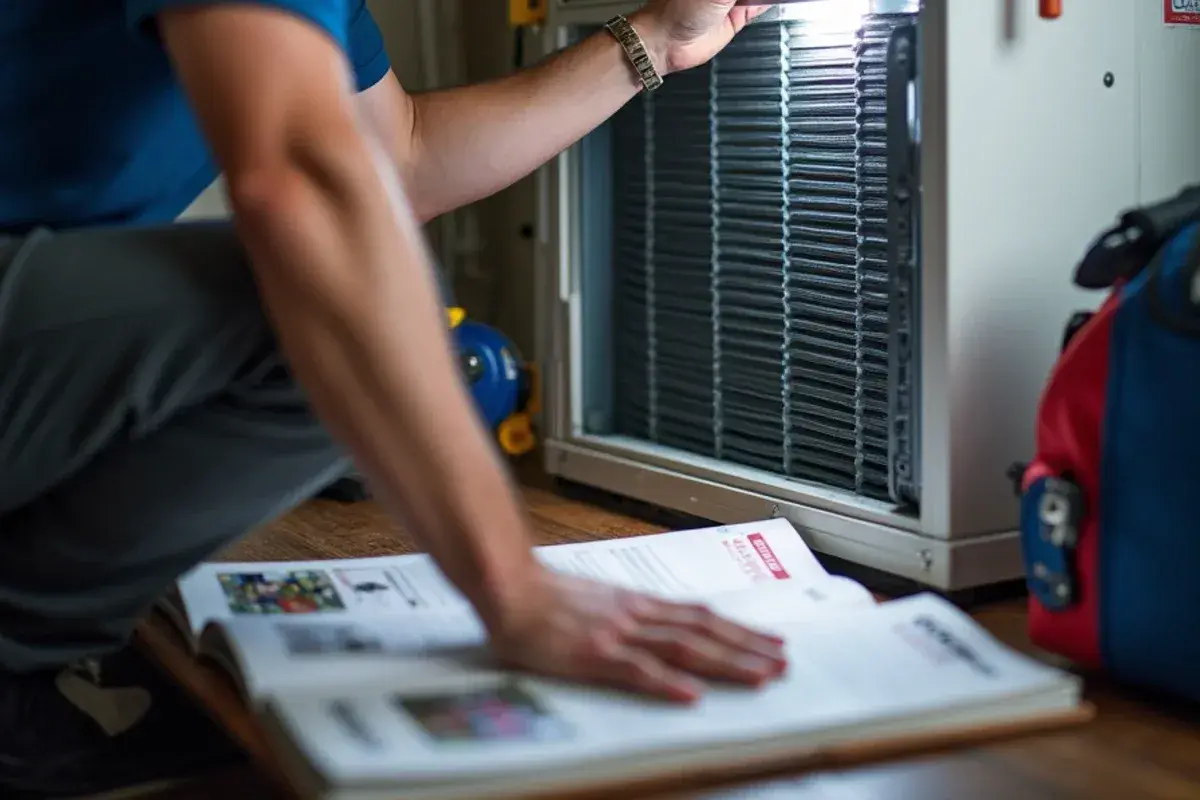
- Open the air handler to look at the coil face, the drain pan and the blower wheel for dirt, standing water or growth.
- Check return connections in the attic or crawlspace for gaps.
- Ask when the problem is worst, who has allergies, and whether pets or smoking are involved.
- Write up the readings with one or two recommended fixes in order, so you can start small and add later.
We are an HVAC contractor, not a lab. If you suspect radon, want mold species identified or need chemical testing, that calls for a specialist with lab analysis. If you smell gas or a carbon monoxide alarm sounds, leave the house and call 911 or your gas provider first.
Codes and guidance that shape the recommendation
South Carolina adopted the 2021 residential code statewide, effective January 1, 2023, and ventilation in new houses follows it along with ASHRAE Standard 62.2, the residential fresh-air standard. The EPA advises against ozone generators sold as air cleaners, so we do not install them. Adding a dehumidifier or ERV can mean a new circuit and new duct connections, and the town or county may require a permit for that work. HVAC contractors are licensed through SC LLR, and we are fully licensed and insured.
Humidity control in a hot, wet climate
The Midlands sits in a hot-humid climate zone, so a large share of your air conditioner's work is pulling water out of the air, not just cooling it. An AC only removes moisture while it is running with the coil cold. A system that is too large for the house cools quickly, shuts off and leaves the moisture behind, which is why some homes feel cold and damp at the same time.
Crawlspace ranches can draw humid ground air up through floor gaps, and houses near Lake Murray in places like Seven Oaks and Irmo see long stretches of sticky days. In those homes, steady humidity control often makes more difference to comfort than a lower thermostat setting.
Allergy relief during pine pollen season
Loblolly and other pines dust the region heavily from roughly March into April. That pollen loads filters fast and coats outdoor coils, so a filter that lasts three months in fall may be done in three weeks in spring. A few habits help: check the filter every couple of weeks in pollen season, keep windows shut on high-count days, and have the outdoor coil rinsed at your spring AC maintenance visit.
If you are still changing a clogged one-inch filter every few weeks, a media cabinet with more surface area usually lasts longer and catches more.
What drives the cost of an air quality upgrade
We quote after the visit, because these factors vary from house to house:
- Which solution fits. A filter cabinet, a UV lamp, a dehumidifier and an ERV are very different amounts of equipment and labor.
- Room at the return. Some air handlers have space for a filter cabinet; others need duct changes to fit one.
- Drain and power. Dehumidifiers and ventilators need a condensate drain path and a circuit nearby.
- Access. Tight attics and low crawlspaces add labor time.
- Number of systems. Larger homes with two or more air handlers may need equipment on each.
- Ongoing parts. Replacement media and UV lamps are part of owning the equipment, and we will tell you how often they are due.
Often the least expensive fix is the right first step. Sealing a leaking return or changing how the blower runs can settle a dust complaint before any new equipment is discussed, and we say so when that is the case.
Why families trust us with the air in their home
Air quality is a category full of gadgets, and a lot of them get sold on fear. Reviewers describe us the opposite way: no upselling, options explained with pros and cons, and the decision left to the homeowner. That is how an IAQ visit goes here. If a filter change and a drain cleaning solve it, that is what you hear.
Puzzled Comfort Solutions holds NATE certification and Bryant-authorized dealer status, and more than a decade of HVAC work sits behind each recommendation. Estimates are free, and households caring for a relative with special needs receive our 20% discount.
Where we do indoor air quality around Lexington
A few of the communities we serve, and what this service usually looks like there.
- Indoor Air Quality in Lexington County
Crawlspace ranches and attic air handlers across the county pull in damp, dusty air through leaky returns.
- Indoor Air Quality in Seven Oaks, SC
1970s and 1980s split-levels on crawlspaces here often have sweating ducts and musty lower floors.
- Indoor Air Quality in Irmo, SC
Homes near the Lake Murray dam see long sticky stretches where steady dehumidification helps more than colder settings.
- Indoor Air Quality in Red Bank, SC
Tight post-2000 subdivision houses can trap cooking moisture and odors without some fresh-air exchange.
- Indoor Air Quality in Pine Ridge, SC
The town's namesake pines load filters and outdoor coils hard every March and April.
- Indoor Air Quality in West Columbia, SC
Mill-era and mid-century houses near the river often need return sealing before a filter upgrade pays off.
- Indoor Air Quality in Cayce, SC
Low-lying homes that took water in 2015 or 2024 deserve a coil, drain and duct check for lingering dampness.
- Indoor Air Quality in Oak Grove, SC
Original 30- to 40-year-old duct runs on slab ranches leak dust into the airstream.
Chapin, SC
Large lake homes with two systems may need humidity control on each air handler.
Google reviews that mention work like indoor air quality
5.0 out of 5 from 29 Google reviews
“Chong came to assess my HVAC for routine maintenance. After calling three others to no avail. He reached out earlier in the day to ensure we were still on and he showed up 5 mins before scheduled time. His honesty was refreshing. He explained everything thoroughly and offered suggestions but did not try to upsell me on anything. To my surprise he offered several discounts. He gained a new customer in me. Thanks again!”
“This is an awesome company. They have outstanding professionalism without loosing the personal touch. They actually listened to us without trying to sell something we did not want. They fully answered any questions we had without being too technical so we could understand. Their rates are extremely reasonable. We replaced our old system with a more energy efficient one. I would not hesitate to recommend them as they went out of their way to make sure we were happy with our decision.”
Services: Ductless heating & A/C services
“Very happy I decided to go with Puzzled. Chong was very easy to talk to,understanding, informative, and quick to get started. For those reasons I trusted him to replace out HVAC unit. He was able to get me a new unit installed within 3 days of our first phone call while most companies stated they couldn’t get to me for Atleast 5-6 days. Will definitely recommend to all my friends who have AC issues.”
- Responsiveness
- Punctuality
- Quality
- Professionalism
- Value
Services: A/C system maintenance, Install AC, Install thermostat
Questions Lexington families ask about cleaner indoor air
What IAQ upgrades help most with Midlands pine pollen?
Pollen grains are fairly large, so a good pleated filter catches most of them if air cannot sneak around it. The biggest gains usually come from a deeper media filter cabinet that seals well, a sealed return duct so attic and crawlspace air are not pulled in, and changing filters more often from March through April. Running the fan on auto rather than off during heavy pollen days also keeps air moving through the filter.
Do whole-home purifiers work with my existing HVAC?
In most homes, yes. Media filter cabinets and coil UV lights mount on the air handler or return duct you already have, and they use your blower to move the air. The thing we check first is static pressure, the resistance your blower works against, because a dense filter on an undersized return can starve the system of airflow. If the return is too small, we tell you before installing anything.
Should I fix humidity or filtration first?
Humidity, if your readings sit above 60 percent. Damp air feeds musty odors, dust mites and growth on the coil, and no filter changes that. If humidity stays in the 40s and 50s and the complaint is dust or pollen, start with a better filter cabinet and a sealed return. On a Lexington visit we take room readings and a static pressure test so the order is based on numbers, not guesses.
How do I know if my home is too humid?
Signs include a clammy, sticky feel even when the thermostat is satisfied, condensation on windows or supply vents, musty closets, and mildew on shoes or leather. A small hygrometer from a hardware store gives a quick reading. The EPA suggests keeping indoor humidity below 60 percent, ideally between 30 and 50. If your readings sit above 60 for days during summer, the AC or the house needs a closer look.
Still have a question about indoor air quality? Ask us directly.
Call (213) 423-7827